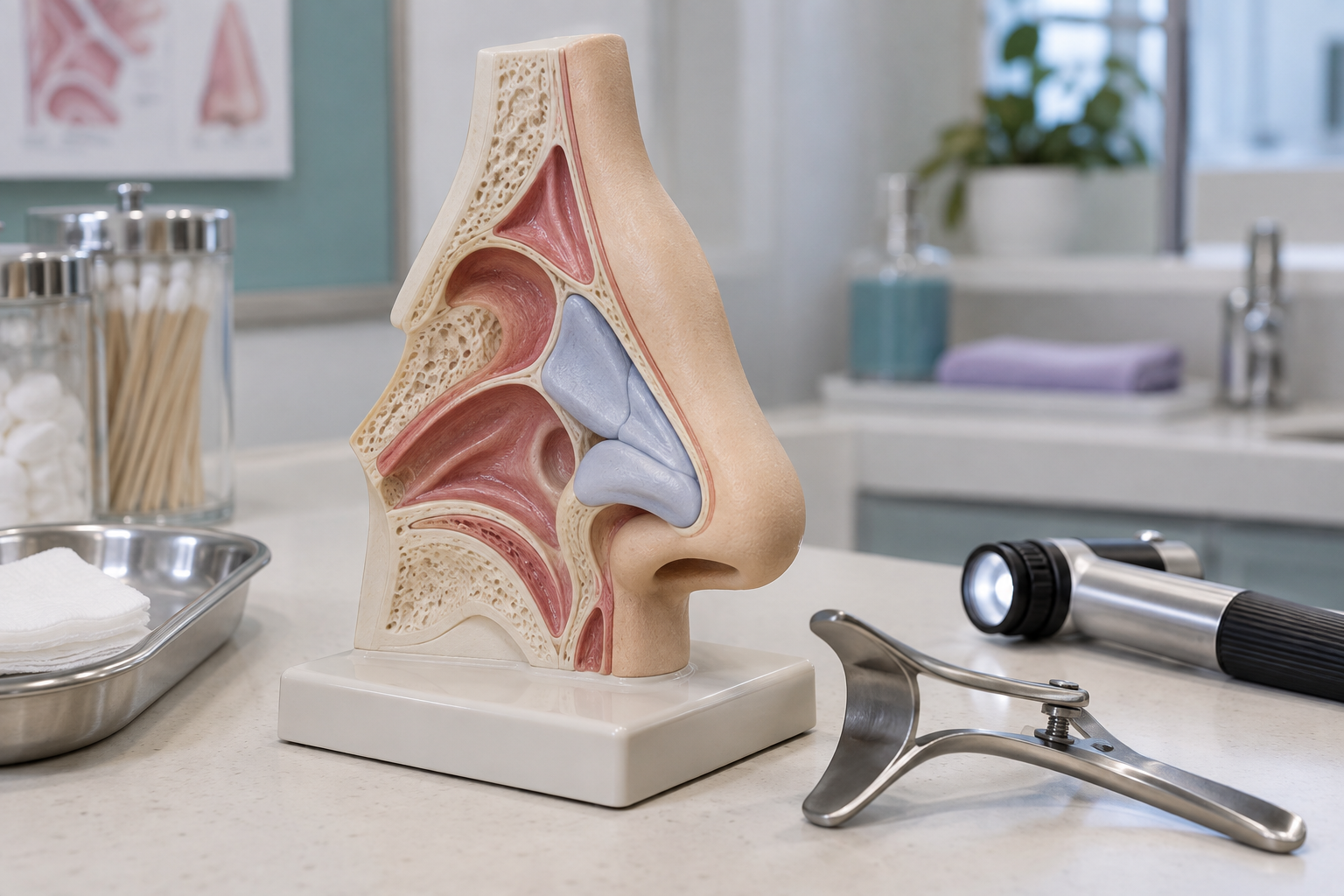
Rhinoplasty and breathing assessment
Rhinoplasty changes nasal shape and structure. Breathing symptoms require their own assessment; an aesthetic change does not resolve every cause of obstruction. Your doctor plans assessment of internal structures and any additional specialty input. Bringing separate lists of appearance goals and breathing concerns may help. Ask which parts of each concern the proposed plan addresses and how.
What do open and closed approaches mean?
These terms describe surgical access. An open approach may include an incision between the nostrils; a closed approach uses incisions inside the nose. Changes to bone and cartilage depend on the individual plan. Neither label alone means better results for everyone. Ask why the approach is recommended, where scars would be and whether cartilage from another area might be considered.
First surgery and revision consultations
If you have had previous nasal surgery, highlight this in your request. The operation report, information about any materials used and earlier photographs may help the doctor prepare. Explain whether your concern involves appearance, breathing or both. The need for further surgery, its timing and achievable changes require a separate assessment. Dissatisfaction alone does not establish suitability for another operation; make room to discuss expectations and uncertainty.
Your request and online consultation
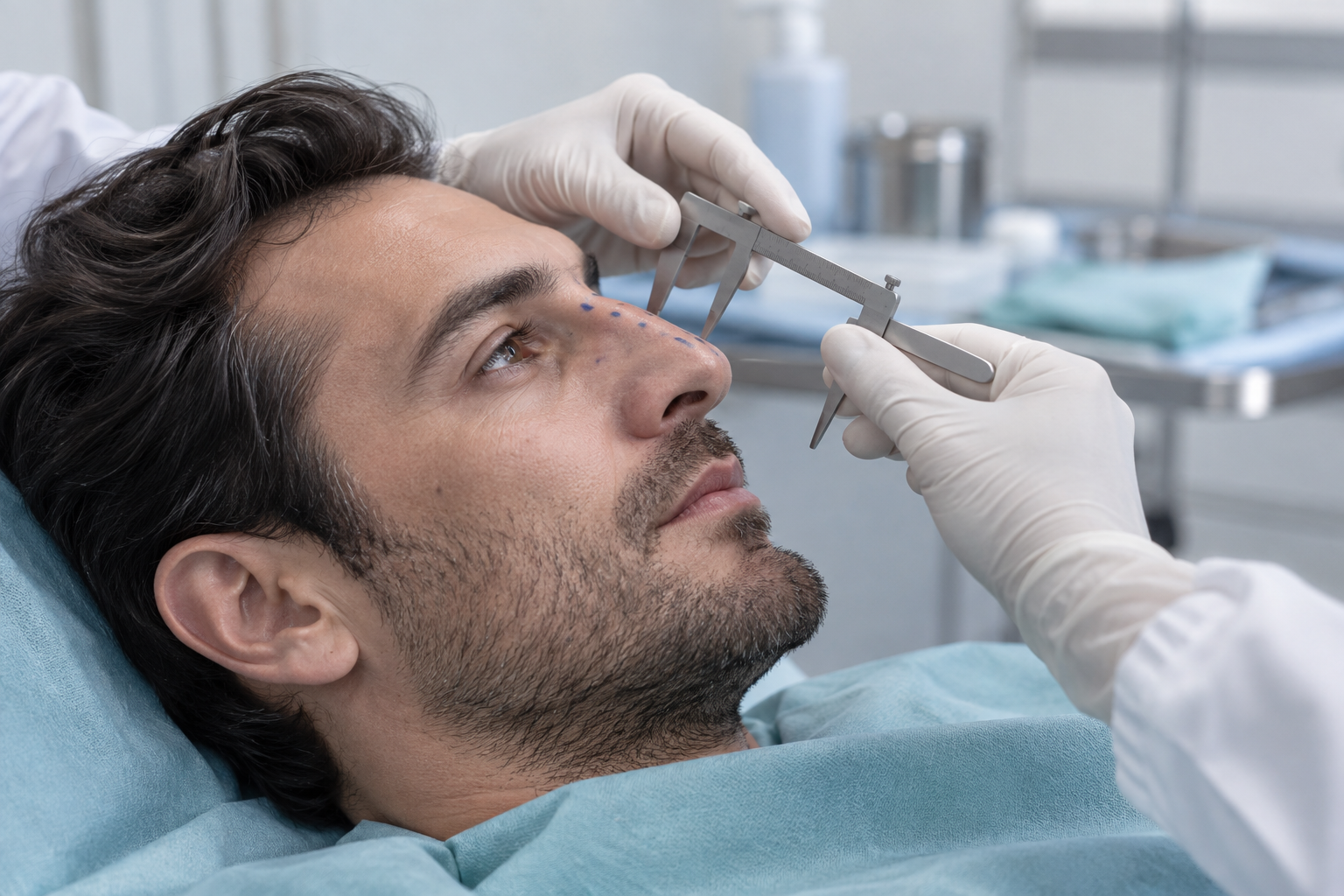
Begin with a doctor consultation or a direct aesthetics request. Describe your concerns and review the AI-assisted specialty suggestion, changing it if necessary. Once the request reaches the relevant specialty, a doctor may ask for information or propose a video consultation. Prepare details of injuries, prior surgery, conditions, allergies and medicines. An online conversation lets you discuss questions before travel; necessary internal examination and surgical suitability assessments still need to be completed.
Expectations and simulation images
Tell the doctor which features you want to preserve as well as change. If photographs or a digital simulation are used, ask what they are intended to explain. Do not interpret them as a promised result. Describe your concerns from the front, side and when smiling in your own words. A reference photograph may support communication, but the decision needs to reflect your anatomy, health and the doctor's assessment.
Risks and possible reassessment
Possible risks include bleeding, infection, scars, asymmetry, persistent or new breathing difficulty and further surgery. More specific issues such as damage to the nasal septum should also be discussed. Ask your doctor to explain your risks, the factors affecting them and the response if problems occur. Claims of no risk or a certain result should not underpin your decision. Clarify how assessment, timing and costs would be handled if revision becomes necessary.
Early recovery and the later appearance
Splints or internal supports depend on the procedure. Reduction in initial swelling, return to everyday life and settling of the appearance are different milestones; changes may continue for months. Obtain written review dates, care instructions and a contact route for unexpected symptoms. Prepare questions about glasses, sport, the physical demands of your job and sleep. Avoid compressing the schedule around a single event or flight date.
From the clinical plan to a travel proposal
With , you may decide about travel after speaking with the doctor. If the clinical plan is referred to an agency, accommodation and transfer needs are discussed online. Review the scope of surgery, anaesthesia, hospital stay, check-ups and additional costs separately. Clarify the return flight and local stay in light of clinical assessment. An enquiry or proposal approval is not surgical consent. The plan should also cover reviews after returning home and documents for a local doctor if needed.
Sources and scope
General information, not a substitute for an individual clinical assessment. Links lead to relevant sources and service pages.