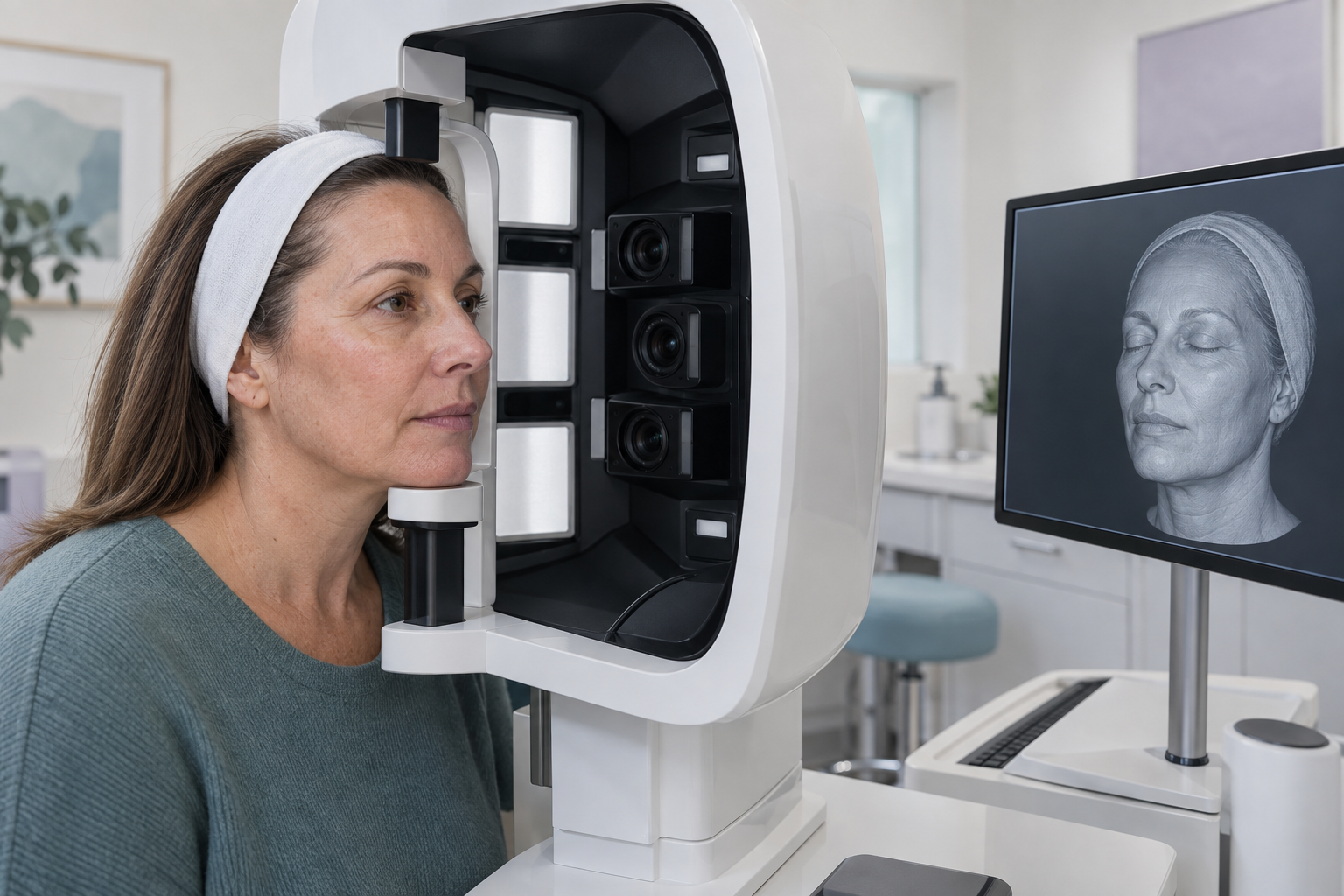
Assessing the face as a whole
Explain the area that concerns you, how long you have considered a change and which features you want to preserve. Discuss achievable changes to your own face rather than reproducing another person's photograph. Describe previous fillers, botulinum toxin, thread treatments and operations with their dates. Ask which concern each proposed procedure addresses and request a separate explanation when several procedures are suggested.
Face and neck lifting
Face and neck lifting may be considered for sagging and loose tissues. It does not address every surface mark or fine line in the same way and cannot stop ageing. Discuss the areas included and where incisions and scars would lie. A label such as 'mini' alone does not establish lower risk or shorter recovery. Understand the proposed changes rather than relying on the procedure's name.
Eyelids and brows
Assessment considers upper and lower eyelid skin or fat, brow position and visual symptoms together. Eyelid surgery and brow lifting are different procedures. Mention dry eyes, previous eye surgery, contact lenses and visual problems. Eyelid-specific risks include dryness, difficulty closing the eyes and changes in eyelid position. A new visual symptom should not be treated as solely an aesthetic concern.

Cheeks, jawline and non-surgical options
Define what you want to change around the cheeks or jawline: volume, sagging, skin appearance or facial proportions. Ask whether the recommendation involves surgery, injections or a skin treatment, since their aims and limits differ. Record questions about reversibility, repeat treatment and implications for future procedures. If you also have nasal concerns, the separate Rhinoplasty guide can help you prepare.
Preparing for your first consultation
With , start with a specialist consultation or request an aesthetics assessment directly. Describe your facial concerns in your own words. Review and, if needed, change the AI-assisted specialty suggestion; it is not a decision to operate. Your request proceeds to the relevant specialty. A doctor may request information by message or propose an online appointment. Photographs and video can support preliminary assessment, but cannot fully replace an in-person examination needed to establish surgical suitability.
Discussing individual risks
Facelift risks include bleeding, infection, noticeable scars, altered sensation, asymmetry and, rarely, facial nerve injury. Your risk profile depends on the procedure and your health. Tell the doctor about medicines and smoking, and do not stop medicines independently. Ask why the proposed procedure is suitable for you and what alternatives exist if it is not. Choosing not to have treatment remains an option.
Recovery and everyday life
Discuss more than your return-to-work date. Mention meetings, social events and work on camera where your face will be visible. Establish where you need to be for early reviews, dressings and any suture assessment. Request individual written instructions for hair washing, skincare, makeup, sun exposure and exercise. Do not judge the final outcome from the early appearance; agree with your doctor when changes should be reviewed.
Reviewing travel and your proposal
You can decide about travel after the doctor's assessment. If the clinical plan is referred to an agency, the agency discussion takes place online; accommodation, transfers and companion needs are clarified in the proposal. Request written details of surgery, anaesthesia, reviews and possible additional visits included in the price. An enquiry or proposal review is not surgical consent or a confirmed booking. Clarify who handles questions after you return, where to obtain urgent care and the costs of reassessment.
Sources and scope
General information, not a substitute for an individual clinical assessment. Links lead to relevant sources and service pages.