How to begin an Aesthetic Surgery enquiry with
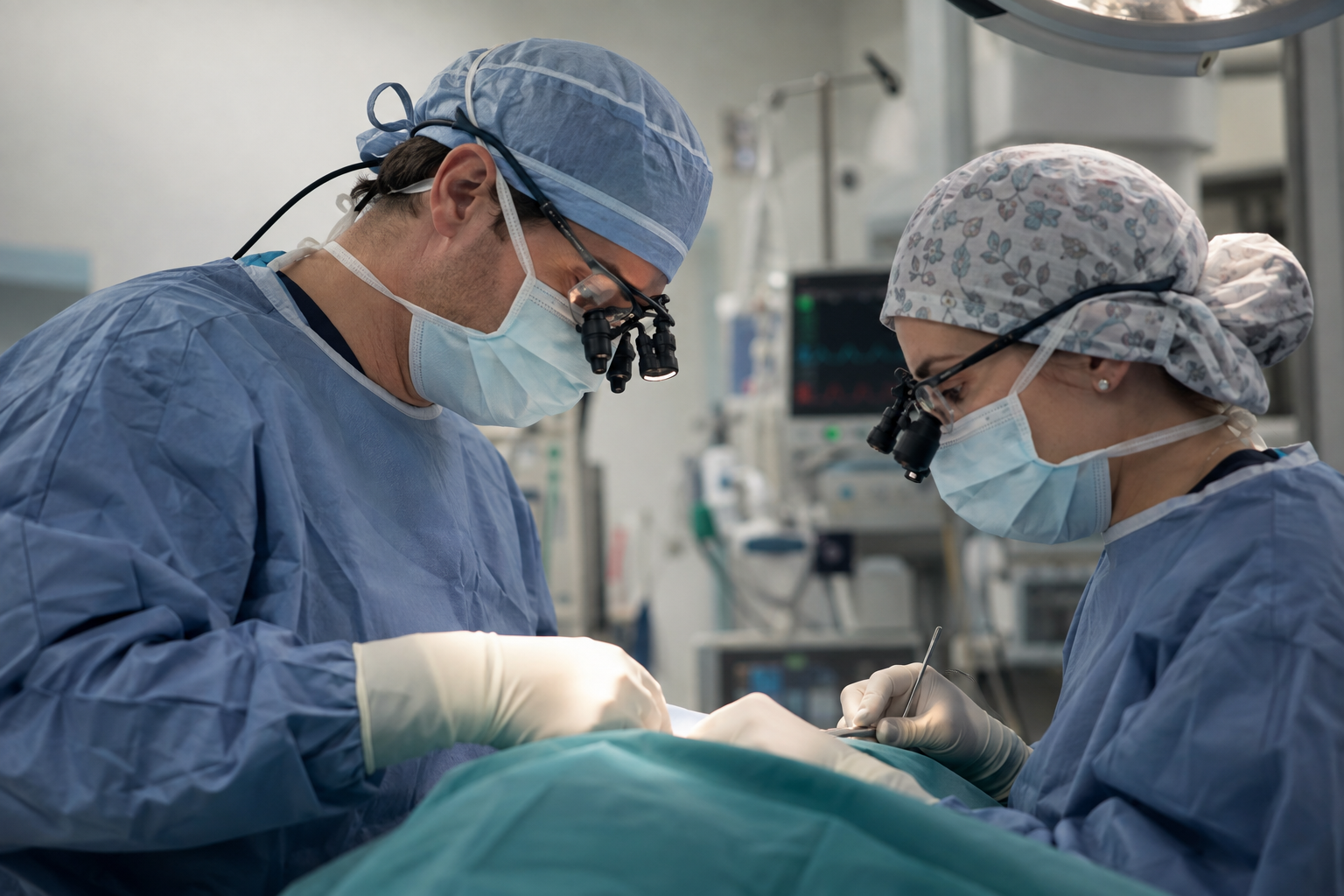
The assessment link on the Medical Aesthetics page opens ’s shared treatment request form. Describe your goal, country and contact preferences. Review the AI-assisted specialty suggestion and select Aesthetic Surgery where relevant. The request goes to the selected specialty’s doctor pool, where doctors can send a message or propose a video consultation. If you are unsure about a procedure, you can begin with a specialist consultation instead. Naming a procedure in the form does not establish its suitability for you.
Face and nose surgery
This group can include rhinoplasty, eyelid surgery, face and neck lifts and ear reshaping. Appearance goals and functional concerns such as breathing or vision should be discussed separately. Facial proportions and expectations are assessed during consultation.
Breast surgery
Augmentation, reduction and uplift address different goals. If considering implants, discuss product information, follow-up and the possibility of further procedures. Scarring, sensation changes and personal expectations are part of the decision.
Body contouring
Liposuction, abdominoplasty and arm or thigh lifts address different tissues and areas. Surgery is not equivalent to a weight-management plan. Combining procedures requires assessment of individual risk and recovery demands.
Preparing for a surgical consultation
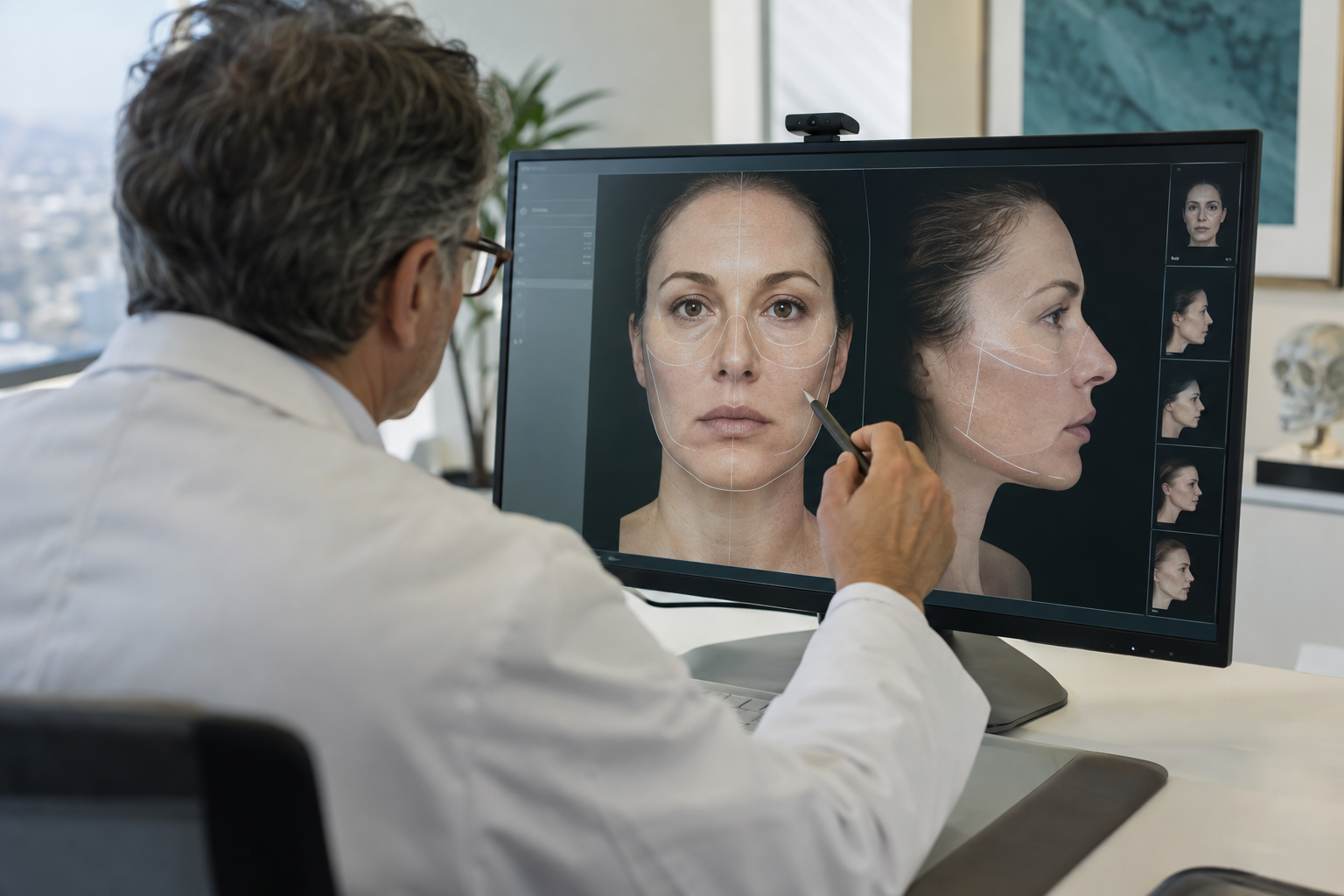
Go beyond showing a photograph you like. Explain your concern, expectations in daily life and changes you would not want. Share previous operations, medicines and experiences of healing. Ask which goals the proposed operation can and cannot address. If there are alternatives, compare scope, scarring, follow-up and recovery needs rather than procedure names alone.
What belongs in the decision
Ask about bleeding, infection, anaesthetic problems, scarring and an unsatisfactory result. Discuss alternatives including no treatment, return to work and follow-up responsibility. Suitability cannot be confirmed from a photograph or online form alone.
Planning daily life during recovery
Recovery includes more than time in the clinic. Home support, time off work, childcare, transport and check-ups belong in the plan. Desk work, driving and physical work may require different assessments. Ask for restrictions appropriate to your operation and circumstances rather than relying on a generic timetable. If travelling, clarify who will assess fitness to return. Allow flexibility for dates to change with clinical needs.
How will you assess the result?
Agree with the surgeon what a satisfactory result means to you. Early appearance and later assessment may differ; ask when check-ups take place and when the result will be discussed. Clarify contact arrangements and assessment options if expectations are not met. Any further procedure requires a new clinical decision and should not be assumed to be guaranteed. Also ask how your preferences about sharing photographs are recorded separately from treatment consent.
From clinical assessment to an individual proposal
Discuss your goals, previous procedures, health information and unanswered questions. Where appropriate, the doctor can record recommended procedures, prices, estimated treatment duration and hospital details. If travel planning proceeds, the file is referred to the agency for items such as accommodation and transfers. Review the procedure scope, check-ups and arrangements for contact after returning home. coordinates processes within the platform; an enquiry does not guarantee surgery or its outcome.
Sources and scope
General information, not a substitute for an individual clinical assessment. Links lead to relevant sources and service pages.