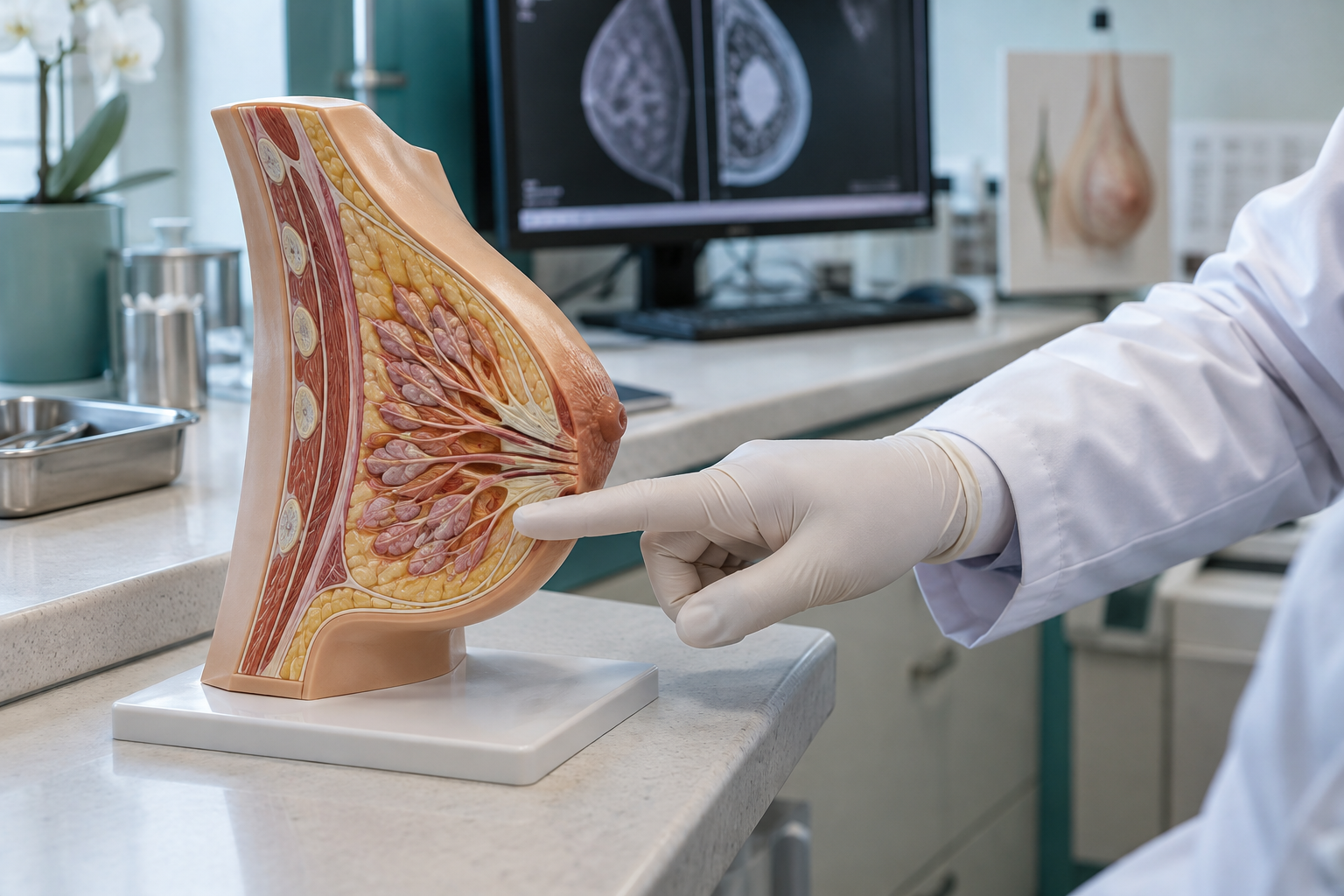
Start by defining your needs
Are you seeking an appearance change, assessment of discomfort associated with breast weight, or an opinion about prior surgery? Explain this in your own words. Mention different concerns on each side and prepare records of previous operations, implants or breast imaging. Tell the doctor separately about any new lump, discharge or unexplained change; aesthetic planning does not replace assessment of such symptoms.
Augmentation and implant decisions
Augmentation may use implants, with size and placement chosen through individual assessment. Consider more than volume alone: tissue characteristics and your goals also matter. Implants should not be viewed as devices guaranteed to remain problem-free for life; monitoring or further surgery may be needed. Ask about product identity, traceability and the records you will receive, as well as whether alternatives without implants merit consideration in your case.
Breast reduction
Reduction can reshape the breast by removing excess tissue and skin. Assessment includes weight-related neck, back or shoulder discomfort and effects on daily life. Discuss scars, changes in sensation, asymmetry, healing and possible effects on breastfeeding. Explain your needs concerning movement, clothing and daily tasks as well as the desired size. If you plan a pregnancy, discuss timing with your doctor.
Breast lifting
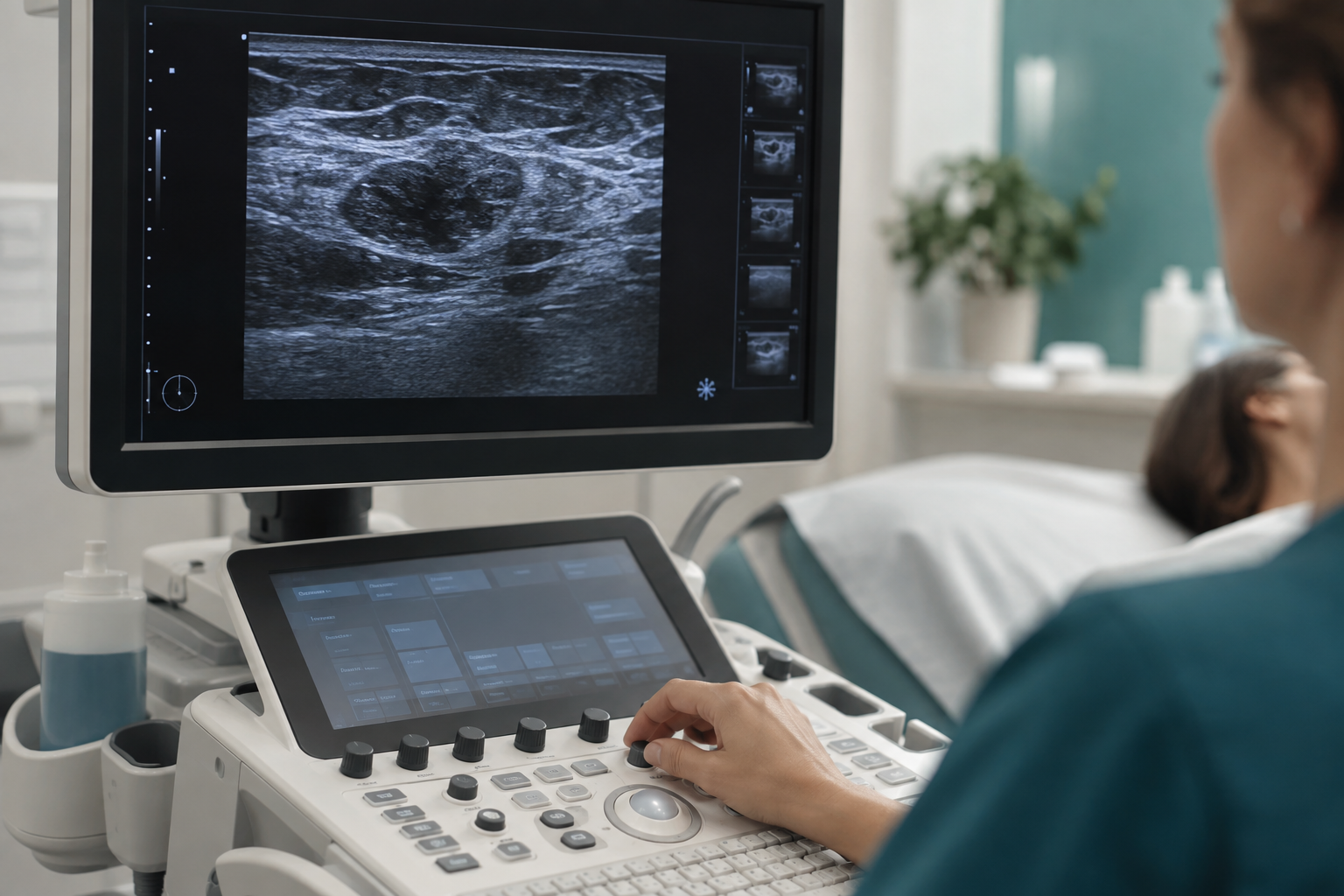
A lift addresses position and shape by removing excess skin and reshaping tissue. It is not intended to provide a substantial volume increase on its own. Understand why lifting, augmentation or reduction is proposed, since their goals differ. If combined treatment is suggested, ask what a single-stage versus staged approach would mean for you. The written plan should explain scars, nipple position and the limits of expectations.
Starting with the right consultation
Start with a specialist consultation or create a direct aesthetics request. After describing your needs, review and, if necessary, change the AI-assisted specialty suggestion. A doctor may request information or propose an online consultation. Neither AI nor an agency decides which operation is appropriate. The doctor's assessment covers your goals and necessary examination or tests. Ask why any photographs are requested and share them through the channel specified for your case.
Implant-specific and surgical risks
Alongside bleeding, infection, altered sensation and further surgery, implant-related problems can include capsular contracture, rupture or displacement. Rare implant-associated diseases such as BIA-ALCL and reported systemic symptoms belong in the informed-consent discussion. Ask what they mean for product choice and monitoring. An online patient account is not a measure of your own risk; request an explanation grounded in your medical history.
Recovery and long-term follow-up
You need individual instructions on support garments, wound care, reviews and activity restrictions. Mention childcare, lifting or physically demanding work during planning. Continue breast screening and tell the imaging team if you have implants. Establish which later reviews can be online and which need an in-person visit. Clarify whom to contact about subsequent changes and how to retain implant records.
Questions for the proposal and travel plan
Consider travel after the doctor consultation. If the clinical plan is referred to an agency, logistics are discussed online. Ask separately what the proposal covers for implants or other materials, surgery, anaesthesia, accommodation and reviews. Clarify costs for a companion, an extended stay or another visit. An request is not a confirmed booking. Before deciding, discuss what clinical information remains missing and whether the plan may change following in-person examination.
Sources and scope
General information, not a substitute for an individual clinical assessment. Links lead to relevant sources and service pages.